-
 Our Licensing Law Awareness course will give learners a deeper understanding of the Licensing Act 2003. It is relevant to any business in England and Wales where alcohol is served or supplied. The Licensing Act 2003 applies to any premises in England and Wales where alcohol is sold or supplied, and we understand how daunting legislation compliance can be. Therefore, we have designed a course that will make it simple and comprehensive for you.
 -
 Tailored for experienced practitioners, our Level 3 Safeguarding Children offers comprehensive training in specialised safeguarding practices. Dive deep into topics such as conducting risk assessments, effective communication with children and young people, and the importance of contributing to serious case reviews. Learn how to refine your ability to identify opportunities for enhancement in safeguarding practices through participation in supervision and audits. Get ready to take your expertise to the next level and make a lasting impact in safeguarding and child protection.
 -
 Our Safeguarding Adults Level 2 course involves enhancing your safeguarding expertise, pushing your skills to the next stage of proficiency. Learn to provide effective advocacy, particularly in complex situations like mental capacity issues. Develop an understanding of your professional responsibilities within multidisciplinary and multi-agency settings and know when and how to refer concerns to social care. Enhance your documentation skills and grasp key statutory and non-statutory guidance to prepare yourself for more complex safeguarding scenarios.
 -
 As a healthcare professional, you have a responsibility to safeguard children. Building upon your foundational knowledge, this course will take you deeper into the complexities of safeguarding children within healthcare. You'll explore advanced topics, such as recognising potential signs of abuse, advocating effectively for children, and understanding specific risks like FGM, grooming, and radicalisation. The content aims to advance your skills in making child protection referrals and documenting concerns, including the procedures for sharing information with relevant parties. By the end, you'll be equipped with the expertise to navigate complex child protection scenarios confidently.
 -
 Every decision you make during a cardiac emergency can determine the fate of a precious life. In this module, you'll acquire essential skills for supporting newborns in line with national guidelines. Delve into key responsibilities, emergency response protocols, and temperature control techniques. Learn to master newborn-specific resuscitation and transition support within these guidelines, preparing you to deliver swift and effective care in critical situations.
 -
 This course provides information about mental health and well-being for employers and managers. It is aimed at business owners and managers in a variety of settings who want to better understand and support people with mental health problems. This course looks at the six main factors affecting mental health and well-being at work and how you can support your employees through helping to define mental health, look at the symptoms, the impact it can have, legislation surrounding mental health and how to devise an action plan which promotes positive mental well-being in the workplace.
 -
 Infection Prevention and Control Level 2 builds on your understanding of the key concepts introduced in Level 1. This advanced course delves deeper into your clinical responsibilities as a healthcare professional, and will elevate your understanding of related components, such as risk assessments, hand hygiene, decontamination, waste disposal and PPE. Equip yourself with the knowledge and skills to implement Standard Infection Control Precautions (SICPs) and expand your arsenal to break the chain of infection in healthcare environments. By the end of this course, you'll be empowered to safeguard against infections with confidence and precision.
 -
 This First Aid training online course was created in partnership with First Response Training. The course will teach learners to follow the Resuscitation Council (UK) Guidelines for basic life support training and provide knowledge of how to act in the event of an incident requiring first aid assistance. First Aid is an essential part of Health and Safety Training and can make a big difference to survival chances when an accident or emergency occurs. Thousands of accidents and emergencies happen every year and, unfortunately, many of those who die could have survived if first aid had been given sooner. Knowing what to do if you’re the first on the scene could save someone’s life.
 -
 In any workplace, there are health and safety hazards that need to be controlled to reduce the risk of accidents and injuries. It’s down to you and your organisation to make this happen. This module outlines common health and safety hazards in the healthcare sector, how to perform a risk assessment and what to do in the event of an incident. It also explores what a ‘culture of health and safety’ means, and what is expected of you and your organisation in order to achieve this.
 -
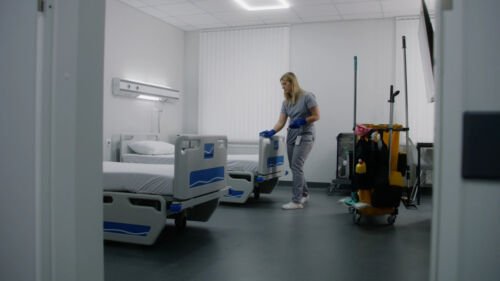 Infection poses a threat to everyone and can lead to severe illnesses, worsening of underlying conditions, or even fatalities. As part of your role, you need to understand the routes by which an infection can get into the body and how poor health or hygiene might pose a risk to yourself and others. This module looks at the importance of preventing and controlling the spread of infection, and best practice in the healthcare setting.
 -
 Our lone working training addresses the unique challenges to your personal safety when working independently, helping you take practical steps to minimise risks and work with greater confidence. Thousands of people work in isolation daily without colleagues nearby for protection, advice or assistance. This lone working course recognises whether you're serving customers, interacting with the public, or working entirely alone, the absence of support creates distinct vulnerabilities.
 -
 What is Dysphagia? Dysphagia is the term used to describe when a person has difficulties swallowing when drinking and eating. This short course has been created to help learners gain more awareness of this condition as well as gaining knowledge around how to help those suffering.
 -
 Child abuse, in its many forms, has a significant impact on a child’s wellbeing and development. This module looks at children’s rights in the context of safeguarding, key legislation, how to recognise the different types of child maltreatment and signs of abuse, and what to do if you need to raise a concern. By the end, you'll feel confident in identifying safeguarding concerns and taking appropriate action to protect children and young people.
 -
 Abuse can manifest in various forms and have devastating, long-lasting effects on the health and wellbeing of the individual. Begin your journey in safeguarding and protecting adults from abuse with Level 1, where you'll learn to recognise potential indicators of abuse, harm, and neglect. Gain confidence in taking appropriate actions if abuse is suspected whilst understanding the legislative framework supporting safeguarding practices.
 -
 Fire Safety training is a legal requirement and this course covers the hazards and risks as well as demonstrating the legal responsibilities towards fire prevention in the workplace. Covering hazards and risks, this module will demonstrate the legal responsibilities towards fire prevention in the workplace.
 -
 In a cardiac emergency, every second counts, and knowing how to respond could mean the difference between life and death. This module is designed for non-clinical staff and imparts the essential skills needed to confidently intervene during a cardiac arrest. Throughout this module, you'll uncover the critical signs of cardio respiratory arrest and learn the fundamental steps of early and effective resuscitation. Covering everything from when to call for help to administering cardiopulmonary resuscitation (CPR) and using automated external defibrillators (AEDs), this course will provide you with all the knowledge and skills necessary to act swiftly and decisively in a crisis. Get ready to make a real difference – because being prepared can save lives.
 -
 Our Safeguarding Adults Level 3 course helps you achieve a deeper level of understanding of safeguarding adults, where you'll refine your ability to identify signs of various forms of abuse and neglect. Enhance your documentation skills and grasp key statutory and non-statutory guidance to prepare yourself for more complex safeguarding scenarios.
 -
 In a cardiac emergency, your role as a qualified healthcare professional is pivotal in influencing patient survival. This module equips you with advanced skills for responding effectively during a cardiac arrest in adults, including the use of the NEWS system, recognition of cardiac arrest signs, adult resuscitation techniques, AED utilisation, and addressing choking incidents.
 -
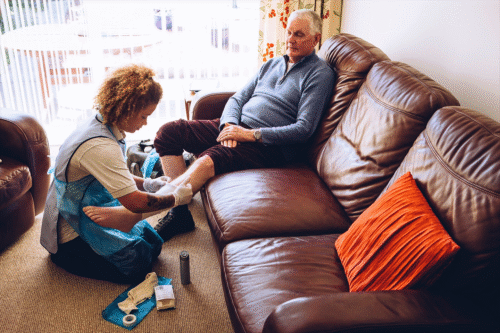 Be introduced to the topic of basic life support and first aid with this short online course. Explore topics within the course such as what basic life support is, what accidents can happen in the workplace, what sudden illnesses could be whilst also understanding which tasks need specialist training.
 -
 It is important to understand that all individuals deserve to be treated with dignity and respect with their feelings and individual identities consider by all in health and social care settings. With this short online course discover the principles that underpin dignity in health and social care and how to maintain dignity, respect, and privacy of an individual with topics including how to promote independence, how to address basic human needs and encourage participation.
 -
 When working in a social care setting it is likely that you will be supporting and caring for people from a variety of backgrounds and cultures. It is important to ensure everyone within you care is treated equally and fairly, being given the same opportunities and treatments. With this short course understand the importance of equality and inclusion, how to work in an inclusive way and where and how to access information support and advise about diversity, equality, and inclusion.
 -
 Working in social care means you’re likely to meet, work with and assist a diverse range of individuals who all require effective communication, sometimes in different ways. Understand why communication is important within social care and how to meet the language needs and wishes of others, aiming to reduce communication barriers and make the working process as smooth as possible for staff and individuals alike.
 -
 In today's healthcare landscape, fostering an inclusive environment that respects and upholds the principles of equality, diversity, and human rights is not just a moral imperative but a legal requirement. Aligned with the Core Skills Training Framework, this course has been meticulously designed to equip healthcare professionals with the essential knowledge and skills to navigate the complexities of equality, diversity, and human rights.
 -
 Working in a health and social care setting often involves administering and monitoring medication to those under your care. With this short course understand the legislation policies and procedures to be able to safely administer medication whilst also gaining knowledge surrounding the most common types of medication and its use.