-
 Care Certificate training is an important part of any health and social care role. Our digital workbooks are the perfect support aid to the Care Certificate assessment, helping learners acquire the knowledge needed before they are assessed. The Care Certificate was introduced in 2015 as a way of ensuring that training and development for support roles in health and social care were consistent, and that everyone was working towards the same skills, knowledge and behaviour. It was updated in March 2025 to include the mandatory Oliver McGowan Training.
 -
 You play a crucial role in preserving information privacy and confidentiality, so we've broken it down in straightforward terms to help you get started. It's time to strengthen your expertise in information security and record management in today's digital landscape. In this module, discover the essentials of safeguarding sensitive information and preserving data privacy. When things go wrong, learn to swiftly identify, and address potential data breaches, reporting incidents promptly to minimise their impact.
 -
 When working in a social care setting, keeping staff and individuals in your care safe should be one of the highest priorities. Failing to prevent or control infections can lead to illness and in some cases fatalities. With this short online course discover roles and procedures in preventing and controlling infections, how to identify risk assessment procedures, the use Personal Protective Equipment (PPE) has and the importance of good personal hygiene.
 -
 Health and safety in health and social care is everyone’s responsibility to ensure staff and those in your care are kept safe and out of harm’s way. From exploring the use of risk assessments and how to handle hazardous substances, to discovering how to implement security measures, manage stress and promote fire safety in the work setting, this short course covers all the basics and is the perfect introduction.
 -
 Working in a health and social care setting often involves administering and monitoring medication to those under your care. With this short course understand the legislation policies and procedures to be able to safely administer medication whilst also gaining knowledge surrounding the most common types of medication and its use.
 -
 In today's healthcare landscape, fostering an inclusive environment that respects and upholds the principles of equality, diversity, and human rights is not just a moral imperative but a legal requirement. Aligned with the Core Skills Training Framework, this course has been meticulously designed to equip healthcare professionals with the essential knowledge and skills to navigate the complexities of equality, diversity, and human rights.
 -
 Working in social care means you’re likely to meet, work with and assist a diverse range of individuals who all require effective communication, sometimes in different ways. Understand why communication is important within social care and how to meet the language needs and wishes of others, aiming to reduce communication barriers and make the working process as smooth as possible for staff and individuals alike.
 -
Sale!
 Staff working in a healthcare environment need to ensure that they undertake statutory training to ensure they are able to do their job safely. This training package is designed to provide effective learning for staff to ensure they understand how to work safely in a healthcare environment. It is ideal as induction training, and can be completed by staff at their convenience as all progress will be saved. There are challenges throughout the course to test your knowledge on what you have learnt so far. Our Statutory and Mandatory: Non-Clinical Training Package gives you a saving of 70% when compared to purchasing the 10 included courses separately.
 -
 When working in a social care setting it is likely that you will be supporting and caring for people from a variety of backgrounds and cultures. It is important to ensure everyone within you care is treated equally and fairly, being given the same opportunities and treatments. With this short course understand the importance of equality and inclusion, how to work in an inclusive way and where and how to access information support and advise about diversity, equality, and inclusion.
 -
 It is important to understand that all individuals deserve to be treated with dignity and respect with their feelings and individual identities consider by all in health and social care settings. With this short online course discover the principles that underpin dignity in health and social care and how to maintain dignity, respect, and privacy of an individual with topics including how to promote independence, how to address basic human needs and encourage participation.
 -
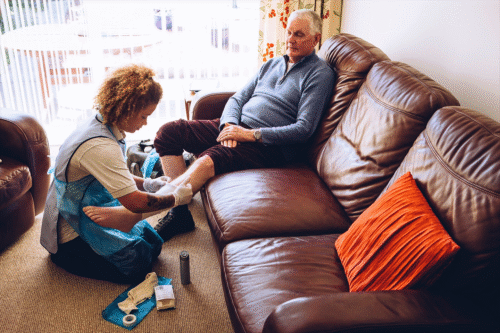 Be introduced to the topic of basic life support and first aid with this short online course. Explore topics within the course such as what basic life support is, what accidents can happen in the workplace, what sudden illnesses could be whilst also understanding which tasks need specialist training.
 -
 In a cardiac emergency, your role as a qualified healthcare professional is pivotal in influencing patient survival. This module equips you with advanced skills for responding effectively during a cardiac arrest in adults, including the use of the NEWS system, recognition of cardiac arrest signs, adult resuscitation techniques, AED utilisation, and addressing choking incidents.
 -
 Our Safeguarding Adults Level 3 course helps you achieve a deeper level of understanding of safeguarding adults, where you'll refine your ability to identify signs of various forms of abuse and neglect. Enhance your documentation skills and grasp key statutory and non-statutory guidance to prepare yourself for more complex safeguarding scenarios.
 -
 In a cardiac emergency, every second counts, and knowing how to respond could mean the difference between life and death. This module is designed for non-clinical staff and imparts the essential skills needed to confidently intervene during a cardiac arrest. Throughout this module, you'll uncover the critical signs of cardio respiratory arrest and learn the fundamental steps of early and effective resuscitation. Covering everything from when to call for help to administering cardiopulmonary resuscitation (CPR) and using automated external defibrillators (AEDs), this course will provide you with all the knowledge and skills necessary to act swiftly and decisively in a crisis. Get ready to make a real difference – because being prepared can save lives.
 -
 If you’ve found yourself working from home for the first time it can be a difficult adjustment to make. You also need to ensure your working environment is suitable and safe to work in even if you regularly work from home. Working from home is more common than ever before. It’s a different way of working than when in an office or on-site somewhere. Starting to work from home can also be difficult adjustment for some.
 -
 Working at height isn’t common in many industries, but that doesn’t mean it isn’t an important consideration for employers. Working at Heights has been developed to provide individuals and organisations with the knowledge required to comply with the Work at Height Regulations 2005. It is recommended that any workers who have to plan or carry out working at height complete this course.
 -
 Fire Safety training is a legal requirement and this course covers the hazards and risks as well as demonstrating the legal responsibilities towards fire prevention in the workplace. Covering hazards and risks, this module will demonstrate the legal responsibilities towards fire prevention in the workplace.
 -
 Abuse can manifest in various forms and have devastating, long-lasting effects on the health and wellbeing of the individual. Begin your journey in safeguarding and protecting adults from abuse with Level 1, where you'll learn to recognise potential indicators of abuse, harm, and neglect. Gain confidence in taking appropriate actions if abuse is suspected whilst understanding the legislative framework supporting safeguarding practices.
 -
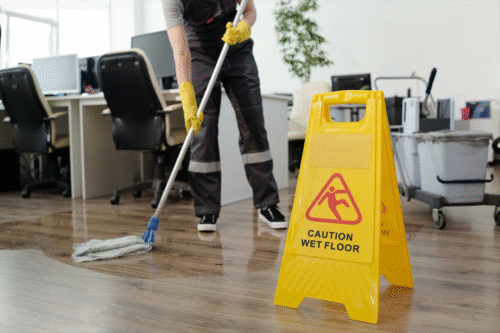 This Slips, Trips and Falls in the Workplace course has been created with businesses in mind and will ensure organisations are able to reduce the risk of slips, trips and falls in the workplace. This in turn will reduce the risk of injury and unwanted expenses. The chances are, you’ve slipped on something, tripped over something or fallen off something in the past and you’d rather not experience it again. Whether it’s a wet floor or an inconveniently placed cable, the hazards are everywhere. Despite seeming minor, slips, trips and falls can have serious consequences to our health as well as costing businesses their productivity, time and money when someone gets hurt. Knowing how to identify and remove hazards that could cause a slip, trip or fall is essential, no matter what your workplace environment is like.
 -
 Child abuse, in its many forms, has a significant impact on a child’s wellbeing and development. This module looks at children’s rights in the context of safeguarding, key legislation, how to recognise the different types of child maltreatment and signs of abuse, and what to do if you need to raise a concern. By the end, you'll feel confident in identifying safeguarding concerns and taking appropriate action to protect children and young people.
 -
 What is Dysphagia? Dysphagia is the term used to describe when a person has difficulties swallowing when drinking and eating. This short course has been created to help learners gain more awareness of this condition as well as gaining knowledge around how to help those suffering.
 -
 Our Online Slips and Trips: Intermediate course has been created in collaboration with the HSE and provides in-depth and knowledge into how to prevent slips and trips in the workplace. It provides more depth than our introductory course, and has been personalised for different workplaces and environments and designed for anyone in a managerial or supervisor role, middle managers or team leaders.
 -
 Our advanced course has been developed in collaboration with the Health and Safety Executive (HSE), the UK government agency responsible for the regulations of workplace health, safety and welfare. This online course covers the whole range of possible causes for slips, trips and falls in the workplace, how design and planning can help to avoid them, and the procedures to deal with them should they happen.
 -
 This tenancy training course looks to educate first time tenants by exploring need to know topics such as how to find accommodation, managing finances, debt and budgeting, tenancy agreements and setting up basic utilities. Learners will be provided with the information they need to avoid anti-social behaviour and how to be a good neighbour. Additional information within the course include the basics of finding and viewing a property and the practicalities of running a new home - including paying rent, opening a bank account and getting advice on the services and support available.
 -
 Our lone working training addresses the unique challenges to your personal safety when working independently, helping you take practical steps to minimise risks and work with greater confidence. Thousands of people work in isolation daily without colleagues nearby for protection, advice or assistance. This lone working course recognises whether you're serving customers, interacting with the public, or working entirely alone, the absence of support creates distinct vulnerabilities.
 -
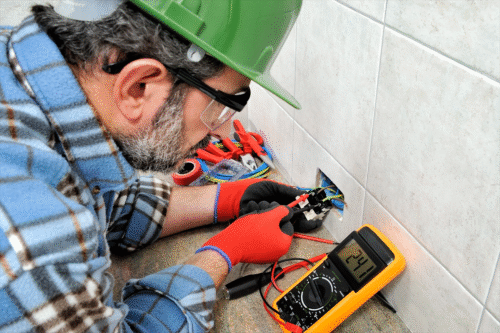 The Electricity at Work Regulations 1989 require that any electrical equipment that has the potential to cause injury is maintained in a safe condition. Portable Appliance Testing is one way in which to ensure electrical equipment is safe. Electronic appliances are everywhere at home and work, but faulty electronics is a leading cause of fires, and getting electrocuted is also a risk when appliances are not maintained. Hundreds of people get seriously injured or die because of faulty electronics so checking equipment is an important prevention method. This course teaches you how to carry out a Portable Appliance Test (PAT) on your personal appliances. You’ll find out how to identify the different types of electronic items and become familiar with the testing equipment. You’ll find out about the different ways damage can happen to electrical equipment, appliances and their flexes.
 -
 From the 1st April 2012, the Tenant Services Authority (TSA) was disbanded and the Homes and Communities Agency (HCA) became responsible for regulating social housing providers in England. The new regulator will be known as the Social Housing Regulator. The Social Housing Regulator has 2 sets of standards, economic and consumer. Social Housing Providers are expected to meet both. However, the main focus of regulation will be on the economic standards which cover governance, financial viability, rent and value for money.
 -
 This e-learning module provides background into the history of social housing, and looks at the roles and responsibilities of social housing providers and their tenants.
 -
Sale!
 This Health & Safety training pack is perfect for any individual or business that wants cost-effective compliance training. The training pack includes two of our popular courses: Awareness of Health and Safety at Work and Fire Safety. According to the Health and Safety Executive, in 2015/16 30.4 million working days were lost due to self-reported work-related illness or injury. By giving employees good Health and Safety training, you reduce the risk of workplace accidents and adhere to your legal obligation of preventing accidents in the workplace.
 -
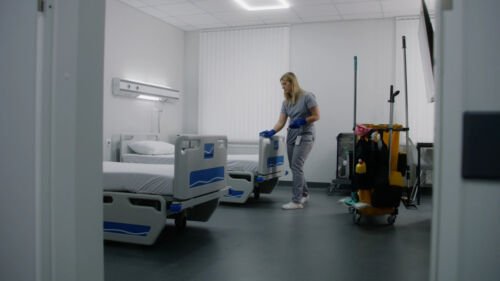 Infection poses a threat to everyone and can lead to severe illnesses, worsening of underlying conditions, or even fatalities. As part of your role, you need to understand the routes by which an infection can get into the body and how poor health or hygiene might pose a risk to yourself and others. This module looks at the importance of preventing and controlling the spread of infection, and best practice in the healthcare setting.
 -
 This engaging online Manual Handling training gives you practical knowledge to prevent workplace injuries when handling loads. As one of our essential health and safety courses, it delivers critical skills in just 30-45 minutes. Manual handling injuries affect half a million UK workers annually, with back injuries being the leading cause of workplace absences. By law, employers must protect their workforce—and this training helps you meet those legal obligations while reducing costly downtime.
 -
 Effective leadership and control for Social Housing Providers; an introduction to governance. This course is primarily aimed at Social Housing Providers who are regulated for governance by the Social Housing Regulator. Those who are not, such as local authorities or Arm's Length Management Organisations (ALMOs) and Tenant Managed Organisations (TMOs) who do not own their stock, may also find it useful in terms of general good practice.
 -
 This Effective Anti-Social Behaviour Management course will give you the tools to effectively identify, deal with and manage anti-social behaviour primarily within the social housing sphere.
 -
 This Anti-Social Behaviour Enforcement course has been designed to provide landlords with the necessary knowledge and tools for tackling Anti-Social Behaviour. It also informs you of the different methods that police and the local authority use to deal with such matters. This course is a useful addition to any landlord who needs to better understand anti-social behaviour and its impacts.
 -
Sale!
 Employers have a legal requirement to take reasonable steps to safeguard the health and safety of all employees, including increasing awareness about potential hazards, and outlining what can be done to minimise risk. The Manual Handling course will help learners understand the correct manual handling procedures to apply to be able to reduce their chance of incurring an injury while handling loads. The First Aid Primary Survey course will help learners to react appropriately when they are first on the scene of an incident involving a casualty and know what necessary steps to take.
 -
 This course has been designed to help raise awareness of Legionnaires' disease by explaining how outbreaks might occur, and highlighting water systems that have a potentially high risk of developing the Legionella bacterium. You may have heard about Legionnaires' disease or the Legionella bacterium, and it’s not something anyone wants to experience first-hand. On average there are approximately 200 to 250 reported cases of Legionnaires' disease each year in the UK, although many believe this total is generally underestimated. Contracting 'Legionella pneumophilia' bacteria can cause high fever and may become fatal in approximately 12% of cases. To prevent people from developing this disease, we need to know what it is and how to prevent it coming into contact with us. This legionella training module explains how outbreaks might occur, including how to identify which water systems have a potentially high risk of developing the Legionnella bacterium.