

Virtual College
-
 Everyone deserves to live and work in safe and healthy environments. Nobody wants to fall ill because of the conditions of the building they spend time in. Mould can be dangerous to health, especially for those that are vulnerable. Unfortunately, well over 10,000 people every year are becoming ill or developing health conditions as a result of mould exposure. Spotting mould and intervening early is essential to protect people from harm. This online damp and mould course gives you an introduction to what mould is, why it’s important and what you can do about it. Mould grows in certain environments, and once it’s started, it will keep coming back until the conditions are changed.
 -
Out of stock
 This online training course aims to provide learners with information on COVID-19 and suggests best practice for businesses in the current climate. There isn’t an industry or sector that hasn’t been affected by COVID-19. These challenging times are calling for businesses and organisations to adapt and adjust.
 -
 Misogynistic behaviour is sadly on the rise with research saying 64% of teachers in mixed-sex secondary schools hear sexist language in school on at least a weekly basis. A quarter (27%) of secondary school teachers say they would not feel confident tackling a sexist incident if they experienced or witnessed it in school.
 -
 This online course explores the important subject of conflict resolution, imparting valuable insights which will increase any employee's confidence in the topic and their conflict resolution skills. The course explores areas such as how to spot the early signs of conflict, mitigate and reduce the risk and if required instigate a conflict resolution process, escalating and managing conflict in a more formal way. You'll also learn how to protect yourself in the event of a breakdown of communication that escalates into violence, including practical strategies for employing 'reasonable force' when necessary. Finally, you will have an opportunity to learn more about post-incident support and familiarise yourself with relevant procedures.
 -
Sale!
 Staff working in a healthcare environment need to ensure that they undertake statutory training to ensure they are able to do their job safely. This training package is designed to provide effective learning for staff to ensure they understand how to work safely in a healthcare environment. It is ideal as induction training, and can be completed by staff at their convenience as all progress will be saved. There are challenges throughout the course to test your knowledge on what you have learnt so far. The training package includes 10 other essential statutory and mandatory courses – to help with your staff training needs. Our Statutory & Mandatory Training Courses have been designed to work on all devices including mobiles, laptops, tablets and desktops giving you the flexibility to complete the training at a time and in a location suitable for you.
 -
 This course consists of three sections, focusing on learning disabilities, dementia and mental health. In each section the social model of disability will be applied, providing examples for you to consider. Always remember to read and follow the individuals care plan or support plan. This 30-minute course can be used as an introduction or as refresher training to ensure that all learners have up to date knowledge of Specific Conditions in Health and Social Care.
 -
 When working in a social care setting it is important to be aware of responsibilities regarding safeguarding, ensuring the safety and wellbeing of children and young people is protected. With this short course discover why safeguarding is important, what the indicators and warning signs of abuse and key legislation relating to safeguarding children to ensure you and your staff are compliant. This 30-minute course can be used as an introduction or as refresher training to ensure that all learners have up to date knowledge of Safeguarding Children.
 -
 It’s important for anyone working in a social care setting to understand their responsibilities when it comes to caring and protecting the adults in their care. With this short course discover the different types of abuse adults may face, how to respond to suspected or alleged abuse, how to reduce the likelihood of abuse and much more. This 30-minute course can be used as an introduction or as refresher training to ensure that all learners have up to date knowledge of Safeguarding Adults.
 -
 Within a social care setting there can be a lot of documents and information used daily to provide support to individuals. Not handling these documents and information correctly could lead to an array of consequences ranging from personal risks to the individuals, to consequences for the organisation which could result in a fine. As such there is a great level of importance to understand correct procedures in handling data. Explore the need for secure handling of information, best practises such as the seven principles of processing personal data responsibility whilst also discovering how to access support for handling information with this short course. This 30-minute course can be used as an introduction or as refresher training to ensure that all learners have up to date knowledge of Recording and Reporting.
 -
 Understanding and implementing Positive behaviour support has a variety of benefits in including reducing behavioural challenges, improving long term support for those in your care, and an increase in the quality of life of individuals. Learn about positive behaviour support (PBS) including specifically what it is and who it’s for as well as understanding the PBS framework 2015. This 30-minute course can be used as an introduction or as refresher training to ensure that all learners have up to date knowledge to promote positive behaviour in health and social care.
 -
 Radicalisation is the process through which a person comes to support extremist ideologies. It can result in a person supporting terrorist violence. Understanding how people are radicalised, and recognising the risk factors and signs of radicalisation, can help you to act appropriately and prevent people from being drawn into terrorism. This module looks at the government’s strategy for preventing terrorism, and what this means for healthcare professionals; how to recognise if an individual may be vulnerable to, or experiencing, radicalisation; and what to do if you have concerns.
 -
 Expanding on what you learnt in the introduction module, this advanced module offers healthcare professionals an in-depth exploration of radicalisation dynamics and counter-terrorism strategies. Throughout the course, you'll explore the complexities of radicalisation processes and examine preventive measures, including a detailed look at the government's 'Prevent' strategy, as well as interventions such as referrals and the role of Channel. By the end, you'll have gained advanced knowledge and practical skills to effectively reduce the risks of terrorism in your communities.
 -
 With this Person Centred Care in Social Care course understand the basics of being able to work in a person-centred way, how to establish consent when providing care and support and encourage active participation whilst also being able support the individual’s right to make choices.. This 30-minute course can be used as an introduction or as refresher training to ensure that all learners have up to date knowledge of Person-Centred Care in health and social care.
 -
 Having a basic knowledge surrounding Oral health means social care workers and supporters are able to ensure the individuals in their care can be properly supported to prevent pain and further health problems caused by poor oral health. Individuals in your care may not be able to verbalise their pain or discomfort for reasons as so it is important to understand the behavioural signs of someone who is suffering from dental pain. This 30-minute course can be used as an introduction or as refresher training to ensure that all learners have up to date knowledge of Oral Health.
 -
 When preparing food, feeding, and providing refreshments, it is important to ensure food safety requirements are met, and nutrition and hydration has been considered (and potentially monitored) to meet the needs and provide safety to people in your care. Learn how to promote a safe and hygienic working environment when preparing, serving and clearing away food and drink, meeting all safety requirements whilst being able to support individuals to have access to food and nutrition in accordance with their plan of care. This 30-minute course can be used as an introduction or as refresher training to ensure that all learners have up to date knowledge to be able to promote nutrition and hydration in health and social care settings.
 -
 Millions of workdays are lost globally each year due to preventable lifting injuries. Adopting safe lifting principles for heavy loads is key to improving your protection from injury. In this module, you'll delve into risk factors and responsibilities under national health and safety laws. Explore ergonomic approaches for musculoskeletal health and learn about developing risk assessments and control strategies for various moving and handling activities. This module provides the foundational knowledge and skills to minimise your risk of injury and ensure your safety, both at work and outside of work.
 -
 When working in social care its essential to know how to help assist and move people in your care and other objects such as equipment. As a daily common task, it is incredibly important to help reduce the risk of harm to staff and service users. Discover the correct way to move and handle individuals and required equipment safely as well as understanding the relevant legislations, guidelines, and procedures to help minimise risks. This 30-minute course can be used as an introduction or as refresher training to ensure that all learners have up to date knowledge of Assisting and Moving, People and Objects.
 -
 In Level 2, you will expand on basic moving and handling principles and delve into the situational factors and best practice procedures that specifically help protect a person's dignity and independence during movement and handling. A compassionate, person-centred approach to risk assessment not only tailors safety measures to individual needs, but also lays the foundation for cultivating a respectful and supportive environment. In this module, you'll discover how prioritising empathy and understanding fosters a culture of care. You will need to complete Moving and Handling Level 1 and Level 2.
 -
 Working in a health and social care setting means looking after or supporting individuals who sometimes need extra help. When in this setting it is important to understand the mental capacity of the individuals in your care, often carried out through assessment, as this will help tailor their support. There are various reasons to why someone may lack mental capacity, and in the cases where this is lacking, Deprivation of Liberty Safeguards (DoLS) looks to protect the person to ensure their liberty is not being deprived in their care arrangements.
 -
 This CPD approved Learning Opportunities and Reflective Practice has been designed for team leaders, managers, supervisors and anyone in or aspiring to be in a managerial position.
 -
 Care Certificate training is an important part of any health and social care role. Our digital workbooks are the perfect support aid to the Care Certificate assessment, helping learners acquire the knowledge needed before they are assessed. The Care Certificate was introduced in 2015 as a way of ensuring that training and development for support roles in health and social care were consistent, and that everyone was working towards the same skills, knowledge and behaviour. It was updated in March 2025 to include the mandatory Oliver McGowan Training.
 -
 You play a crucial role in preserving information privacy and confidentiality, so we've broken it down in straightforward terms to help you get started. It's time to strengthen your expertise in information security and record management in today's digital landscape. In this module, discover the essentials of safeguarding sensitive information and preserving data privacy. When things go wrong, learn to swiftly identify, and address potential data breaches, reporting incidents promptly to minimise their impact.
 -
 When working in a social care setting, keeping staff and individuals in your care safe should be one of the highest priorities. Failing to prevent or control infections can lead to illness and in some cases fatalities. With this short online course discover roles and procedures in preventing and controlling infections, how to identify risk assessment procedures, the use Personal Protective Equipment (PPE) has and the importance of good personal hygiene.
 -
 Health and safety in health and social care is everyone’s responsibility to ensure staff and those in your care are kept safe and out of harm’s way. From exploring the use of risk assessments and how to handle hazardous substances, to discovering how to implement security measures, manage stress and promote fire safety in the work setting, this short course covers all the basics and is the perfect introduction.
 -
 Working in a health and social care setting often involves administering and monitoring medication to those under your care. With this short course understand the legislation policies and procedures to be able to safely administer medication whilst also gaining knowledge surrounding the most common types of medication and its use.
 -
 In today's healthcare landscape, fostering an inclusive environment that respects and upholds the principles of equality, diversity, and human rights is not just a moral imperative but a legal requirement. Aligned with the Core Skills Training Framework, this course has been meticulously designed to equip healthcare professionals with the essential knowledge and skills to navigate the complexities of equality, diversity, and human rights.
 -
 Working in social care means you’re likely to meet, work with and assist a diverse range of individuals who all require effective communication, sometimes in different ways. Understand why communication is important within social care and how to meet the language needs and wishes of others, aiming to reduce communication barriers and make the working process as smooth as possible for staff and individuals alike.
 -
Sale!
 Staff working in a healthcare environment need to ensure that they undertake statutory training to ensure they are able to do their job safely. This training package is designed to provide effective learning for staff to ensure they understand how to work safely in a healthcare environment. It is ideal as induction training, and can be completed by staff at their convenience as all progress will be saved. There are challenges throughout the course to test your knowledge on what you have learnt so far. Our Statutory and Mandatory: Non-Clinical Training Package gives you a saving of 70% when compared to purchasing the 10 included courses separately.
 -
 When working in a social care setting it is likely that you will be supporting and caring for people from a variety of backgrounds and cultures. It is important to ensure everyone within you care is treated equally and fairly, being given the same opportunities and treatments. With this short course understand the importance of equality and inclusion, how to work in an inclusive way and where and how to access information support and advise about diversity, equality, and inclusion.
 -
 It is important to understand that all individuals deserve to be treated with dignity and respect with their feelings and individual identities consider by all in health and social care settings. With this short online course discover the principles that underpin dignity in health and social care and how to maintain dignity, respect, and privacy of an individual with topics including how to promote independence, how to address basic human needs and encourage participation.
 -
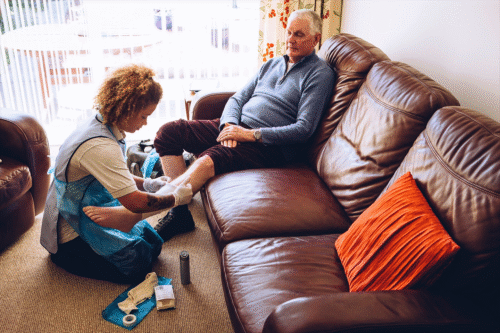 Be introduced to the topic of basic life support and first aid with this short online course. Explore topics within the course such as what basic life support is, what accidents can happen in the workplace, what sudden illnesses could be whilst also understanding which tasks need specialist training.
 -
 In a cardiac emergency, your role as a qualified healthcare professional is pivotal in influencing patient survival. This module equips you with advanced skills for responding effectively during a cardiac arrest in adults, including the use of the NEWS system, recognition of cardiac arrest signs, adult resuscitation techniques, AED utilisation, and addressing choking incidents.
 -
 Our Safeguarding Adults Level 3 course helps you achieve a deeper level of understanding of safeguarding adults, where you'll refine your ability to identify signs of various forms of abuse and neglect. Enhance your documentation skills and grasp key statutory and non-statutory guidance to prepare yourself for more complex safeguarding scenarios.
 -
 In a cardiac emergency, every second counts, and knowing how to respond could mean the difference between life and death. This module is designed for non-clinical staff and imparts the essential skills needed to confidently intervene during a cardiac arrest. Throughout this module, you'll uncover the critical signs of cardio respiratory arrest and learn the fundamental steps of early and effective resuscitation. Covering everything from when to call for help to administering cardiopulmonary resuscitation (CPR) and using automated external defibrillators (AEDs), this course will provide you with all the knowledge and skills necessary to act swiftly and decisively in a crisis. Get ready to make a real difference – because being prepared can save lives.
 -
 If you’ve found yourself working from home for the first time it can be a difficult adjustment to make. You also need to ensure your working environment is suitable and safe to work in even if you regularly work from home. Working from home is more common than ever before. It’s a different way of working than when in an office or on-site somewhere. Starting to work from home can also be difficult adjustment for some.
 -
 Working at height isn’t common in many industries, but that doesn’t mean it isn’t an important consideration for employers. Working at Heights has been developed to provide individuals and organisations with the knowledge required to comply with the Work at Height Regulations 2005. It is recommended that any workers who have to plan or carry out working at height complete this course.