

Social Housing
-
 This tenancy training course looks to educate first time tenants by exploring need to know topics such as how to find accommodation, managing finances, debt and budgeting, tenancy agreements and setting up basic utilities. Learners will be provided with the information they need to avoid anti-social behaviour and how to be a good neighbour. Additional information within the course include the basics of finding and viewing a property and the practicalities of running a new home - including paying rent, opening a bank account and getting advice on the services and support available.
 -
 From the 1st April 2012, the Tenant Services Authority (TSA) was disbanded and the Homes and Communities Agency (HCA) became responsible for regulating social housing providers in England. The new regulator will be known as the Social Housing Regulator. The Social Housing Regulator has 2 sets of standards, economic and consumer. Social Housing Providers are expected to meet both. However, the main focus of regulation will be on the economic standards which cover governance, financial viability, rent and value for money.
 -
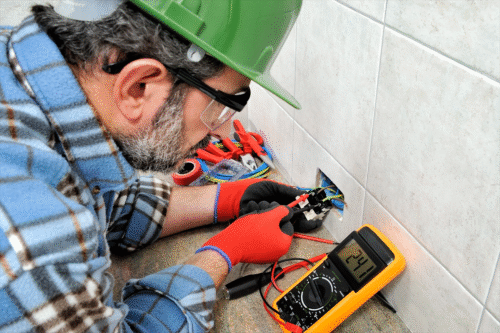 The Electricity at Work Regulations 1989 require that any electrical equipment that has the potential to cause injury is maintained in a safe condition. Portable Appliance Testing is one way in which to ensure electrical equipment is safe. Electronic appliances are everywhere at home and work, but faulty electronics is a leading cause of fires, and getting electrocuted is also a risk when appliances are not maintained. Hundreds of people get seriously injured or die because of faulty electronics so checking equipment is an important prevention method. This course teaches you how to carry out a Portable Appliance Test (PAT) on your personal appliances. You’ll find out how to identify the different types of electronic items and become familiar with the testing equipment. You’ll find out about the different ways damage can happen to electrical equipment, appliances and their flexes.
 -
 This e-learning module provides background into the history of social housing, and looks at the roles and responsibilities of social housing providers and their tenants.
 -
 Effective leadership and control for Social Housing Providers; an introduction to governance. This course is primarily aimed at Social Housing Providers who are regulated for governance by the Social Housing Regulator. Those who are not, such as local authorities or Arm's Length Management Organisations (ALMOs) and Tenant Managed Organisations (TMOs) who do not own their stock, may also find it useful in terms of general good practice.
 -
 This Effective Anti-Social Behaviour Management course will give you the tools to effectively identify, deal with and manage anti-social behaviour primarily within the social housing sphere.
 -
 This Anti-Social Behaviour Enforcement course has been designed to provide landlords with the necessary knowledge and tools for tackling Anti-Social Behaviour. It also informs you of the different methods that police and the local authority use to deal with such matters. This course is a useful addition to any landlord who needs to better understand anti-social behaviour and its impacts.
 -
 Whether you are a first-time tenant of have been renting for a while, it’s important to understand the basics of looking after your home. With this course discover what it really means and takes to become a good tenant. Avoiding misunderstandings, knowing your legal obligations and entitlements.
 -
 This essential Health and Safety course is designed to give people who might work with or around asbestos all the knowledge they need to do so safely. It considers the risks, highlights the dangers and identifies key signs to look out for. This asbestos awareness course provides advanced knowledge about asbestos awareness for people working with and around asbestos. There is an overview of what asbestos is, the history of asbestos use, the risks of exposure to asbestos, and the key legislation around the topic.
 -
 For anyone who works with vulnerable adults, there are a number of safeguarding responsibilities. This course is designed for those who have extra safeguarding responsibilities, but aren’t at a managerial or supervisor level. The course will provide deeper insights into safeguarding and cover a range of key topics and areas of responsibilities, including signs and symptoms, the types of abuse, what to do if an adult discloses information, and what your responsibilities are if you suspect abuse, including recording and reporting. We also offer Safeguarding Adults Training at Level 1 and Level 3.
 -
 It can be difficult for many people to identify what hate crime is and how to report it. This training course will give learners clarity and advice on this topic. This course teaches learners how to identify what hate crime is, how to identify hate crime, incidents and how to report incidents. Hate crime is a complex and challenging issue and can take many forms. A key aspect of this course is distinguishing what is classified as hate crime and how the police and Crown Prosecution Service monitor hate crime.
 -
 This course aims to give learners a deeper understanding of child criminal exploitation and gang-related issues by defining what these key terms mean. This training will also help learners to identify the signs and symptoms of abuse and what to do if they suspect a child or young person is becoming involved in gang activities. County lines is another crucial issue related to gang activities, within this training, learners will gain an understanding of this issue and how it can differ from other gang-related activities.