

Education
-
 This e-learning course is for anyone who works closely with children or in a capacity where they might encounter someone on the autism spectrum; for example, teachers, youth workers, carers, nurses and even customer service professionals. The Introduction to Autism Spectrum training course has been updated with help from subject matter experts to include more information on autism spectrum disorder (ASD) and to cover the Oliver McGowan case.
 -
 Our introductory course is aimed at anyone who works with children, from social care workers to teachers, and wants to understand attachment theory. Attachment Theory is a well-established theory which illustrates the key role attachment plays in the development of a child through to adulthood, how they form relationships with others and how they perceive themselves. Using the context of attachment theory, our course is designed to provide you with insights into children’s behaviour and development, and what you can do to help a child who may be struggling.
 -
 This course aims to give learners a deeper understanding of child criminal exploitation and gang-related issues by defining what these key terms mean. This training will also help learners to identify the signs and symptoms of abuse and what to do if they suspect a child or young person is becoming involved in gang activities. County lines is another crucial issue related to gang activities, within this training, learners will gain an understanding of this issue and how it can differ from other gang-related activities.
 -
 This Child Exploitation and Extra-familial Harm training has been designed for those working with at risk children or young people and covers the effects and impacts of exploitation and extra-familial harm of children. It has up-to-date information on CSE, learner challenges and scenarios for an interactive learning experience. Ensuring you can identify the signs and symptoms of child exploitation and extra-familial harm is crucial for anyone working with children.
 -
 Whether it's customer information or a private internal matter that needs safeguarding, protecting confidentiality of sensitive data is vital. This course is designed for you to learn or refresh your understanding of the importance of workplace confidentiality. Confidentiality of information in the workplace has never been so important. As digital storage of sensitive data becomes the norm, cyber security concerns grow and the General Data Protection Regulation (GDPR) is embraced, confidentiality is a more pressing issue than ever. This course is designed for anyone who handles information as part of their workload, making it suitable for people as wide-ranging as healthcare receptionists to school admission staff and from recruitment professionals to workers carrying out data input tasks.
 -
 Understanding the importance of early childhood development allows those who work with children as part of their professional role the opportunity to adapt their working practices in a way that improves outcomes for parents and children. This 1-2 hour early child development course explores how early experiences and relationships can affect and help to mould children into happy adults later in life. Understand the main issues around development including the theories and factors that impact upon it that affect the journey of every child’s development. All of our courses are created with the learner in mind, allowing them to learn at their own pace. As we know that some of the topics included in this course are sensitive, a safe space has been added with options to take a break or to talk to someone with a list of organisations and contact information.
 -
 This early help or early intervention involves supporting families when a problem first occurs and can be utilised at any point in a child's or young person's life. Early help can have massively positive impacts on a child's future development and is therefore crucial that anyone working with children, young people or their families understands the importance of early help. This wide-ranging CAF safeguarding course is designed to help all those working with children, adults and families who could benefit from Early Help.
 -
Sale!
 This collection of courses brings together all the essential knowledge an employee would need to be on-boarded with all key food hygiene and safety information and fulfil legal training obligations for food handling and allergies. Anyone who works in catering or hospitality needs to be aware of the latest food hygiene standards. Knowing how to clean and disinfect equipment, safely store and prepare food, and control common pests will allow you to handle food safely and ensure that you’re complying with all of the relevant health and safety standards.
 -
 This training pack is aimed at those who want to learn the basics of food hygiene and want to know how to act safely in the kitchen and food environment. Level 1 may be used as an introduction to the subject for children and people with an interest in preparing food safely for a family. It is ideal for use in schools, in addition to a regular curriculum, and for students prior to taking work experience in a food environment.
 -
 This course will give you the knowledge and skills to help safeguard not only those you are directly responsible for, but also anyone you come into contact with while carrying out your duties. We also offer Safeguarding Everyone training at Level 2 and Level 3.
 -
Sale!
 This Level 2 Safeguarding Children and Safer Recruitment package looks to provide learners with the relevant information including legislation, policies and procedures surrounding protecting vulnerable children when working or hiring. This training package has been updated to be compliant with new Keeping Children Safe in Education 2022 legislation and how this applies in the workplace or when working with children and young people.
 -
Sale!
 With this Safeguarding Everyone Level 2 and FGM course package discover what safeguarding is and its important as well as how to identify and respond to suspected abuse whilst also exploring, with the use of real-world scenarios, the terminology, definitions, and types of FGM to be culturally aware to promote good safeguarding practise. Safeguarding Everyone Level 2 Working with children, young people and adults means you have a responsibility to safeguard them, to protect them from abuse and neglect whilst carrying out your duties.
 -
Sale!
 With this package, gain an understanding of the roles and responsibilities to successfully safeguard both children, young people, and adults, from understanding the latest legislations and regulations to spotting signs of abuse. Also discover how to successfully and safely recruit for your business to protect anyone vulnerable. Level 2 Safeguarding Everyone - working with children, young people and adults means you have a responsibility to safeguard them, to protect them from abuse and neglect whilst carrying out your duties.
 -
 This training is designed to give learners a much deeper understanding of the key issues facing LGBTQ+ workers and how to ensure that they are safeguarded in the workplace. Upon completion of this course, learners will be able to create an inclusive environment for all employees through their policies and procedures.
 -
 These courses help to define mental health, look at the symptoms of some mental health issues and the impact they can have, as well as legislation and how to devise an action plan to promote mental well-being in the workplace for you and your employees. Both of these courses aim to improve your understanding of your own and your employees’ mental health and well-being, and how you can better promote workplace well-being through slight changes in day-to-day behaviour.
 -
 This course covers the different aspects of your life and how you can improve your mental health and wellbeing in those areas. Aimed at anyone who wishes to improve their mental health and wellbeing the course takes around one hour to complete. Approximately 1 in 4 people in the UK could suffer from mental health at least once a year with 1 in 6 people in England reporting common mental health problems such as anxiety and depression. Whilst there has not been a significant rise in mental health problems in recent years people are finding it harder to cope with the illness with self-harm and suicidal thoughts increasing. Having positive mental health in the workplace can lead to an increase in productivity and morale which can also have a good effect on your colleagues.
 -
 This online Misogyny Awareness course provides you with the knowledge you need to identify and tackle misogynistic behaviour that might be experienced in the workplace. Sexism and misogyny have damaging effects on women. It’s not just the mental burden of experiencing derogatory comments in-the-moment, but also the long-term impact it can have on their wellbeing, behaviours and life choices.
 -
 Safeguarding anyone against radicalisation and extremism is an extremely important responsibility. It’s crucial that anyone working with vulnerable children, young people or adults are able to recognise the signs and symptoms of potential radicalisation. This training course will help learners to understand various forms of radicalisation and extremism and how it can be recognised and countered. This course also looks into further steps and organisations to contact if they suspect someone is being radicalised. This is a wide-ranging course covering radicalisation and extremism.
 -
 For anyone who works with vulnerable adults, there are a number of safeguarding responsibilities. This course is designed for those who have extra safeguarding responsibilities, but aren’t at a managerial or supervisor level. The course will provide deeper insights into safeguarding and cover a range of key topics and areas of responsibilities, including signs and symptoms, the types of abuse, what to do if an adult discloses information, and what your responsibilities are if you suspect abuse, including recording and reporting. We also offer Safeguarding Adults Training at Level 1 and Level 3.
 -
 This Level 3 Safeguarding Adults training has been created for those who require knowledge at a practitioner’s level, and has been designed to help increase learners’ confidence when it comes to handling or reporting abuse to the appropriate authorities. It will also help ensure learners are fully versed in the Care Act 2014, and understand what actions should be taken from the current legislation. We also offer Safeguarding Adults Training at Level 2.
 -
 Anyone who works with vulnerable adults will have safeguarding responsibilities, but these will vary depending on your role. Our level 3 course is designed for managers or supervisors, or any designated safeguarding lead. Our course covers all the topics and information you need to successfully carry out your role including the latest legislation and guidance, signs and symptoms of abuse, the types of abuse, and how to respond to disclosures of abuse, including reporting and recording. We also offer Safeguarding Adults Training at Level 1 and Level 2.
 -
 Anyone who works with children or vulnerable adults understands that safeguarding is an important part of their role. The leadership roles and responsibilities cover many different topics and safeguarding areas, so up-to-date and in-depth knowledge is vital. Our course is split into two modules – Core, and Further Learning - each with over 20 components. The Core module covers topics such as serious case reviews, duty of candour, how to support your team and how the disclosure responsibilities. Whereas the Further Learning module explores specific safeguarding topics ranging from e-safety to child sexual exploitation and abuse relating to faith and belief.
 -
 Our Level 2 Safeguarding Children Refresher course is designed for those who have already completed their training, whether face-to-face or digitally, and are looking to update and refresh their knowledge. Our Level 2 Safeguarding Children course explores safeguarding in depth and is suitable if you have extra safeguarding responsibilities as part of your role. It covers key safeguarding topics such as safeguarding jargon and terminology, working in a multi-agency approach and best practice. It will also provide you with the knowledge you need to identify the signs and symptoms of abuse, as well as what must be done if you suspect a child is being abused or a child discloses sensitive information to you. We also offer Safeguarding Children Training for Level 1 and Level 3.
 -
 This course content is mapped to English legislation and statutory guidance. While it provides valuable safeguarding principles, it may not fully align with legislation or requirements in other regions or jurisdictions. Level 3 training is suitable for anyone who holds a management position and frequently works with children, or anyone who has a designated child protection role. Anyone who requires Level 3 Safeguarding Training has a considerable responsibility for safeguarding children, and they have to be able to respond accordingly to information and concerns brought to them.
 -
 Our Safeguarding Children Level 3 Refresher training course is designed for anyone who has completed their training in the past, whether that is through face-to-face or digital courses, and is looking to refresh their knowledge. This Level 3 course is our most in-depth Safeguarding Children course, and has been designed for managers or supervisors who have regular contact with children and their families as part of their role. It explores safeguarding as a topic including legislation, policies, signs and symptoms of abuse, as well as detailed information regarding reporting suspected abuse, whether it has been reported to them by a child, an adult or a member of staff. We also offer Safeguarding Children Training at Level 1 and Level 2.
 -
 This Level 1 course is aimed at anyone who works with children or vulnerable adults, but doesn’t have many safeguarding responsibilities. It will provide you with insights into safeguarding – both children and adults – and will cover topics such as signs and symptoms of abuse, types of abuse, and what your responsibilities are when you suspect abuse, or when responding to a disclosure of abuse. We also offer Safeguarding Everyone Training at Level 2 and Level 3.
 -
 If you work with children, young people or adults, you have a number of key responsibilities to ensure that any suspected abuse or neglect is reported to the appropriate level. This course will give you the knowledge and skills to ensure you can help safeguard not only those you are directly responsible for, but everyone you have contact with whilst carrying out your duties. We also offer Safeguarding Everyone Training at Level 1 and Level 3.
 -
 For those who work with children or the vulnerable, there are always going to be safeguarding responsibilities, though these will vary depending on your role. Our Level 2 course is aimed at those with extra safeguarding responsibilities, but aren’t necessarily at a managerial or supervisor level. This course will explore safeguarding in light of both children and vulnerable adults and will provide insights into all the topics you need to know, including signs, symptoms and types of abuse, current legislation and guidance, and your recording and reporting responsibilities. We also offer Safeguarding Everyone Training at Level 1 and Level 3 Unsure if you require Level 1, 2 or 3 Safeguarding Everyone training?
 -
 Being a lead worker in a safeguarding environment comes with some extremely important responsibilities, and they need to be confident that their safeguarding is up to date and in-depth enough to meet these responsibilities. This Level 3 Safeguarding Everyone training gives learners the knowledge they need to understand how to respond in safeguarding situations and helps learners to apply this knowledge to their own workplace. The package is made up of two of our popular courses, Level 3 Safeguarding Children and Level 3 Safeguarding Adults. We also offer Safeguarding Everyone Training at Level 1 and Level 2.
 -
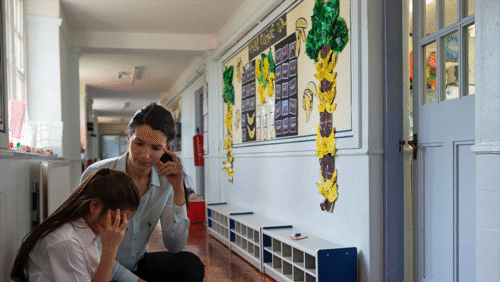 This course introduces safeguarding, its importance when working with children and the many associated skills and knowledge required. Anyone working with children needs to ensure they have an appropriate level of safeguarding training in order to satisfy their safeguarding responsibilities. This wide-ranging course is designed for all working with children. It introduces safeguarding and the relevant skills, knowledge and legislation, multi-agency working, how to recognise and deal with abuse, and many common core skills and knowledge.
 -
 Anyone working in education has a responsibility to ensure children are safeguarded from potential abuse or neglect. Staff need to be able to recognise any of the signs or symptoms of abuse and how to report them to the correct authority. This Safeguarding in Education course has been updated to be compliant with new Keeping Children Safe in Education 2022 legislation and how this applies in the workplace or when working with children and young people. It is a statutory requirement for anyone who works with children to have up-to-date knowledge of safeguarding policies, legislation and guidance so they can proactively focus on keeping them safe from harm and maintain the ability to act on any concerns about the safety and welfare of children and young people.
 -
 Ensuring you understand your roles and responsibilities in protecting children in a sporting environment is crucial for anyone who works with children. It's essential that anyone who may come into contact with children has up-to-date safeguarding knowledge and can identify the signs and symptoms of abuse or neglect. This course covers information for Safeguarding in Sport. It introduces safeguarding as a topic, covering jargon, multi-agency working and best practice, as well as how to identify the signs and symptoms of abuse and what you should do if you suspect an individual is being abused or discloses information. The content also covers national and local context, whistle-blowing and focuses on your role and what you can do to recognise and reduce the likelihood of abuse, in general and with reference to sport in particular.
 -
 Safer recruitment is designed to help those who are responsible for hiring anyone who works with children, to identify and deter or reject individuals who are deemed to be at risk of abusing children. It’s crucial that all employers have a recruitment policy in place that takes into account safer recruitment best practices and considerations. This course covers key topics including: advertising, application forms, selecting candidates for interview based on the information they have presented, and post-interview checks before making an offer of employment.
 -
 This course will help learners to get a better insight into how situations can develop and how to effectively respond. This Safer Working Practices course has been updated to be compliant with new Keeping Children Safe in Education 2022 legislation and how this applies in the workplace or when working with children and young people.
 -
 This e-learning module aims to provide learners with an increased understanding of the autistic spectrum and offer strategies to support those on it. On completion, learners will have an increased awareness of the main characteristics of behaviour which individuals on the autism spectrum can commonly display, as well as an increased understanding of the sensory differences of people on the autistic spectrum. Our Understand How to Support Individuals with Autism Spectrum Conditions training course has been updated with help from subject matter experts to include more information on autism spectrum disorder (ASD) and to cover the Oliver McGowan case.
 -
 This course covers a wide range of information and guidance for all those working with individuals, both children and adults, who are vulnerable to domestic abuse or suffering from it. The modules in this product have been created with victims in mind and will inform learners about domestic violence, and how to support those experiencing it. This wide-ranging domestic abuse training course is designed to give the maximum amount of information and guidance to those who are working with victims of domestic abuse or those who may be vulnerable to domestic abuse.