

Charities & Not-For-Profit
-
 Being able to identify the signs and symptoms of someone suffering from suicidal thoughts is crucial for anyone who works with children, young people or vulnerable adults Lack of mental wellbeing in children, young people and vulnerable adults can lead to suicidal thoughts suicidal ideation. This course goes into the reasons for such thoughts, explains why some people are vulnerable, and gives guidance on how to support people in this situation.
 -
 Our Risk Assessment in the workplace course teaches workers in a supervisory position how to carry out a risk assessment properly. Our CPD-approved risk assessment course teaches supervisors and managers the practical skills needed to identify hazards, evaluate risks and implement the necessary control measures. You'll learn to conduct thorough assessments tailored to your specific workplace environment, whether you manage an office, retail space, warehouse, classroom, or construction site.
 -
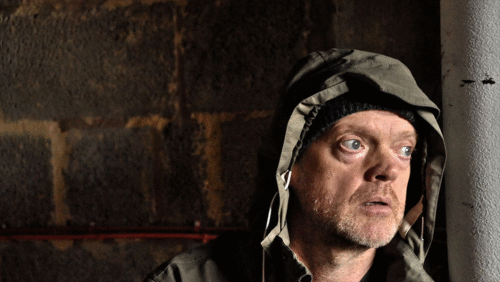 This training will look at how to balance addressing the issue of self-neglect with an individual’s right to private life and health and how to make safe decisions. Self-neglect is a problem in itself and can often be a symptom of other underlying problems. This course will enable you to identify it and react appropriately.
 -
 Being able to identify and understand self-harm and its causes is crucial for anyone who works with vulnerable children, young people or adults. This training will help learners to understand what to do if they suspect someone is potentially self-harming. Being able to identify and understand self-harm and its causes is crucial for anyone who works with vulnerable children, young people or adults. This training will help learners to understand what to do if they suspect someone is potentially self-harming.
 -
 This course will help learners to get a better insight into how situations can develop and how to effectively respond. This Safer Working Practices course has been updated to be compliant with new Keeping Children Safe in Education 2022 legislation and how this applies in the workplace or when working with children and young people.
 -
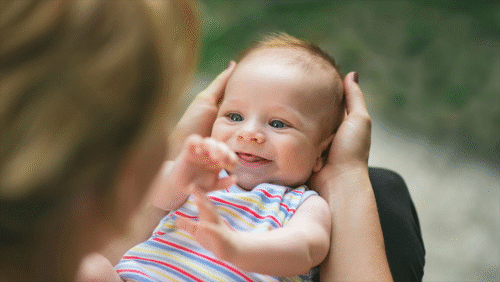 Greater awareness of Sudden Infant Death Syndrome (SIDS) is one of the most effective ways to reduce cases. This course is designed to do just that, whilst ensuring learners gain knowledge on practical and effective ways to reduce the risks This course, Safer Sleeping for Babies, gives up-to-date information on how to make sleeping safer for babies and gives advice on lowering the chance of SUDC (Sudden Unexpected Death in Childhood).
 -
 Safer recruitment is designed to help those who are responsible for hiring anyone who works with children, to identify and deter or reject individuals who are deemed to be at risk of abusing children. It’s crucial that all employers have a recruitment policy in place that takes into account safer recruitment best practices and considerations. This course covers key topics including: advertising, application forms, selecting candidates for interview based on the information they have presented, and post-interview checks before making an offer of employment.
 -
 Anyone who works with children or vulnerable adults understands that safeguarding is an important part of their role. The leadership roles and responsibilities cover many different topics and safeguarding areas, so up-to-date and in-depth knowledge is vital. Our course is split into two modules – Core, and Further Learning - each with over 20 components. The Core module covers topics such as serious case reviews, duty of candour, how to support your team and how the disclosure responsibilities. Whereas the Further Learning module explores specific safeguarding topics ranging from e-safety to child sexual exploitation and abuse relating to faith and belief.
 -
 Being a lead worker in a safeguarding environment comes with some extremely important responsibilities, and they need to be confident that their safeguarding is up to date and in-depth enough to meet these responsibilities. This Level 3 Safeguarding Everyone training gives learners the knowledge they need to understand how to respond in safeguarding situations and helps learners to apply this knowledge to their own workplace. The package is made up of two of our popular courses, Level 3 Safeguarding Children and Level 3 Safeguarding Adults. We also offer Safeguarding Everyone Training at Level 1 and Level 2.
 -
 If you work with children, young people or adults, you have a number of key responsibilities to ensure that any suspected abuse or neglect is reported to the appropriate level. This course will give you the knowledge and skills to ensure you can help safeguard not only those you are directly responsible for, but everyone you have contact with whilst carrying out your duties. We also offer Safeguarding Everyone Training at Level 1 and Level 3.
 -
 This Level 1 course is aimed at anyone who works with children or vulnerable adults, but doesn’t have many safeguarding responsibilities. It will provide you with insights into safeguarding – both children and adults – and will cover topics such as signs and symptoms of abuse, types of abuse, and what your responsibilities are when you suspect abuse, or when responding to a disclosure of abuse. We also offer Safeguarding Everyone Training at Level 2 and Level 3.
 -
 This course will give you the knowledge and skills to help safeguard not only those you are directly responsible for, but also anyone you come into contact with while carrying out your duties. We also offer Safeguarding Everyone training at Level 2 and Level 3.