-
 Fire Safety training is a legal requirement and this course covers the hazards and risks as well as demonstrating the legal responsibilities towards fire prevention in the workplace. Covering hazards and risks, this module will demonstrate the legal responsibilities towards fire prevention in the workplace.
 -
 Abuse can manifest in various forms and have devastating, long-lasting effects on the health and wellbeing of the individual. Begin your journey in safeguarding and protecting adults from abuse with Level 1, where you'll learn to recognise potential indicators of abuse, harm, and neglect. Gain confidence in taking appropriate actions if abuse is suspected whilst understanding the legislative framework supporting safeguarding practices.
 -
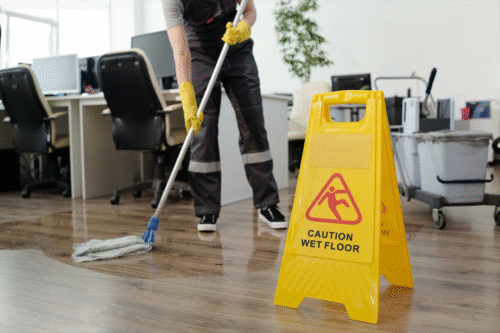 This Slips, Trips and Falls in the Workplace course has been created with businesses in mind and will ensure organisations are able to reduce the risk of slips, trips and falls in the workplace. This in turn will reduce the risk of injury and unwanted expenses. The chances are, you’ve slipped on something, tripped over something or fallen off something in the past and you’d rather not experience it again. Whether it’s a wet floor or an inconveniently placed cable, the hazards are everywhere. Despite seeming minor, slips, trips and falls can have serious consequences to our health as well as costing businesses their productivity, time and money when someone gets hurt. Knowing how to identify and remove hazards that could cause a slip, trip or fall is essential, no matter what your workplace environment is like.
 -
 Child abuse, in its many forms, has a significant impact on a child’s wellbeing and development. This module looks at children’s rights in the context of safeguarding, key legislation, how to recognise the different types of child maltreatment and signs of abuse, and what to do if you need to raise a concern. By the end, you'll feel confident in identifying safeguarding concerns and taking appropriate action to protect children and young people.
 -
 What is Dysphagia? Dysphagia is the term used to describe when a person has difficulties swallowing when drinking and eating. This short course has been created to help learners gain more awareness of this condition as well as gaining knowledge around how to help those suffering.
 -
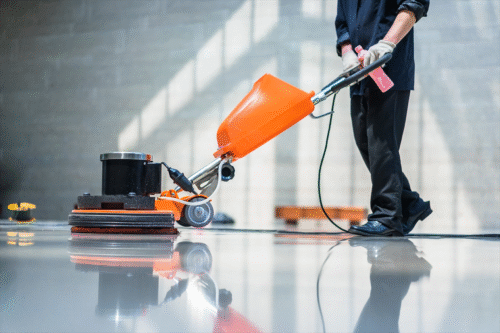 Our Online Slips and Trips: Intermediate course has been created in collaboration with the HSE and provides in-depth and knowledge into how to prevent slips and trips in the workplace. It provides more depth than our introductory course, and has been personalised for different workplaces and environments and designed for anyone in a managerial or supervisor role, middle managers or team leaders.
 -
 Our advanced course has been developed in collaboration with the Health and Safety Executive (HSE), the UK government agency responsible for the regulations of workplace health, safety and welfare. This online course covers the whole range of possible causes for slips, trips and falls in the workplace, how design and planning can help to avoid them, and the procedures to deal with them should they happen.
 -
 This tenancy training course looks to educate first time tenants by exploring need to know topics such as how to find accommodation, managing finances, debt and budgeting, tenancy agreements and setting up basic utilities. Learners will be provided with the information they need to avoid anti-social behaviour and how to be a good neighbour. Additional information within the course include the basics of finding and viewing a property and the practicalities of running a new home - including paying rent, opening a bank account and getting advice on the services and support available.
 -
 Our lone working training addresses the unique challenges to your personal safety when working independently, helping you take practical steps to minimise risks and work with greater confidence. Thousands of people work in isolation daily without colleagues nearby for protection, advice or assistance. This lone working course recognises whether you're serving customers, interacting with the public, or working entirely alone, the absence of support creates distinct vulnerabilities.
 -
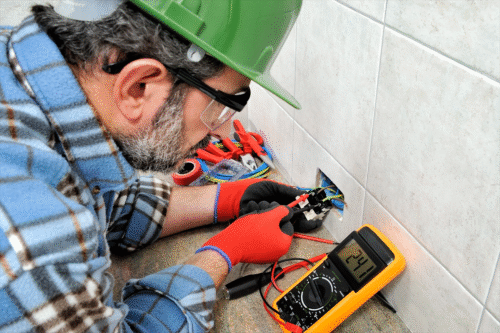 The Electricity at Work Regulations 1989 require that any electrical equipment that has the potential to cause injury is maintained in a safe condition. Portable Appliance Testing is one way in which to ensure electrical equipment is safe. Electronic appliances are everywhere at home and work, but faulty electronics is a leading cause of fires, and getting electrocuted is also a risk when appliances are not maintained. Hundreds of people get seriously injured or die because of faulty electronics so checking equipment is an important prevention method. This course teaches you how to carry out a Portable Appliance Test (PAT) on your personal appliances. You’ll find out how to identify the different types of electronic items and become familiar with the testing equipment. You’ll find out about the different ways damage can happen to electrical equipment, appliances and their flexes.
 -
 From the 1st April 2012, the Tenant Services Authority (TSA) was disbanded and the Homes and Communities Agency (HCA) became responsible for regulating social housing providers in England. The new regulator will be known as the Social Housing Regulator. The Social Housing Regulator has 2 sets of standards, economic and consumer. Social Housing Providers are expected to meet both. However, the main focus of regulation will be on the economic standards which cover governance, financial viability, rent and value for money.
 -
 This e-learning module provides background into the history of social housing, and looks at the roles and responsibilities of social housing providers and their tenants.