-
 Throughout this training learners will cover a wide range of topics including, multi-agency working, best practice, consent and confidentiality, and recruitment, which will help learners apply their knowledge to all areas of their workplace. Anyone working in healthcare needs to maintain a wide knowledge of safeguarding concepts and best practices, to ensure anyone they encounter during their work is protected from abuse or neglect. The aim of this training course is to provide learners with practical and applicable knowledge to help them in their working lives.
 -
 Anyone working in education has a responsibility to ensure children are safeguarded from potential abuse or neglect. Staff need to be able to recognise any of the signs or symptoms of abuse and how to report them to the correct authority. This Safeguarding in Education course has been updated to be compliant with new Keeping Children Safe in Education 2022 legislation and how this applies in the workplace or when working with children and young people. It is a statutory requirement for anyone who works with children to have up-to-date knowledge of safeguarding policies, legislation and guidance so they can proactively focus on keeping them safe from harm and maintain the ability to act on any concerns about the safety and welfare of children and young people.
 -
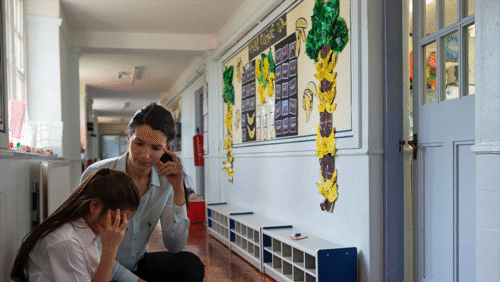 This course introduces safeguarding, its importance when working with children and the many associated skills and knowledge required. Anyone working with children needs to ensure they have an appropriate level of safeguarding training in order to satisfy their safeguarding responsibilities. This wide-ranging course is designed for all working with children. It introduces safeguarding and the relevant skills, knowledge and legislation, multi-agency working, how to recognise and deal with abuse, and many common core skills and knowledge.
 -
 Being a lead worker in a safeguarding environment comes with some extremely important responsibilities, and they need to be confident that their safeguarding is up to date and in-depth enough to meet these responsibilities. This Level 3 Safeguarding Everyone training gives learners the knowledge they need to understand how to respond in safeguarding situations and helps learners to apply this knowledge to their own workplace. The package is made up of two of our popular courses, Level 3 Safeguarding Children and Level 3 Safeguarding Adults. We also offer Safeguarding Everyone Training at Level 1 and Level 2.
 -
 For those who work with children or the vulnerable, there are always going to be safeguarding responsibilities, though these will vary depending on your role. Our Level 2 course is aimed at those with extra safeguarding responsibilities, but aren’t necessarily at a managerial or supervisor level. This course will explore safeguarding in light of both children and vulnerable adults and will provide insights into all the topics you need to know, including signs, symptoms and types of abuse, current legislation and guidance, and your recording and reporting responsibilities. We also offer Safeguarding Everyone Training at Level 1 and Level 3 Unsure if you require Level 1, 2 or 3 Safeguarding Everyone training?
 -
 If you work with children, young people or adults, you have a number of key responsibilities to ensure that any suspected abuse or neglect is reported to the appropriate level. This course will give you the knowledge and skills to ensure you can help safeguard not only those you are directly responsible for, but everyone you have contact with whilst carrying out your duties. We also offer Safeguarding Everyone Training at Level 1 and Level 3.
 -
 This Level 1 course is aimed at anyone who works with children or vulnerable adults, but doesn’t have many safeguarding responsibilities. It will provide you with insights into safeguarding – both children and adults – and will cover topics such as signs and symptoms of abuse, types of abuse, and what your responsibilities are when you suspect abuse, or when responding to a disclosure of abuse. We also offer Safeguarding Everyone Training at Level 2 and Level 3.
 -
 Our Safeguarding Children Level 3 Refresher training course is designed for anyone who has completed their training in the past, whether that is through face-to-face or digital courses, and is looking to refresh their knowledge. This Level 3 course is our most in-depth Safeguarding Children course, and has been designed for managers or supervisors who have regular contact with children and their families as part of their role. It explores safeguarding as a topic including legislation, policies, signs and symptoms of abuse, as well as detailed information regarding reporting suspected abuse, whether it has been reported to them by a child, an adult or a member of staff. We also offer Safeguarding Children Training at Level 1 and Level 2.
 -
 This course content is mapped to English legislation and statutory guidance. While it provides valuable safeguarding principles, it may not fully align with legislation or requirements in other regions or jurisdictions. Level 3 training is suitable for anyone who holds a management position and frequently works with children, or anyone who has a designated child protection role. Anyone who requires Level 3 Safeguarding Training has a considerable responsibility for safeguarding children, and they have to be able to respond accordingly to information and concerns brought to them.
 -
 Our Level 2 Safeguarding Children Refresher course is designed for those who have already completed their training, whether face-to-face or digitally, and are looking to update and refresh their knowledge. Our Level 2 Safeguarding Children course explores safeguarding in depth and is suitable if you have extra safeguarding responsibilities as part of your role. It covers key safeguarding topics such as safeguarding jargon and terminology, working in a multi-agency approach and best practice. It will also provide you with the knowledge you need to identify the signs and symptoms of abuse, as well as what must be done if you suspect a child is being abused or a child discloses sensitive information to you. We also offer Safeguarding Children Training for Level 1 and Level 3.
 -
 When working in a social care setting it is important to be aware of responsibilities regarding safeguarding, ensuring the safety and wellbeing of children and young people is protected. With this short course discover why safeguarding is important, what the indicators and warning signs of abuse and key legislation relating to safeguarding children to ensure you and your staff are compliant. This 30-minute course can be used as an introduction or as refresher training to ensure that all learners have up to date knowledge of Safeguarding Children.
 -
 Anyone who works with children or vulnerable adults understands that safeguarding is an important part of their role. The leadership roles and responsibilities cover many different topics and safeguarding areas, so up-to-date and in-depth knowledge is vital. Our course is split into two modules – Core, and Further Learning - each with over 20 components. The Core module covers topics such as serious case reviews, duty of candour, how to support your team and how the disclosure responsibilities. Whereas the Further Learning module explores specific safeguarding topics ranging from e-safety to child sexual exploitation and abuse relating to faith and belief.
 -
 Our online Safeguarding and Leadership Course is designed for all levels of operational managers, and aims to make sure that everyone involved in delivering and monitoring services to children, young people and their families is doing so with their safety and wellbeing in mind, and is training their staff in doing the same.
 -
 Anyone who works with vulnerable adults will have safeguarding responsibilities, but these will vary depending on your role. Our level 3 course is designed for managers or supervisors, or any designated safeguarding lead. Our course covers all the topics and information you need to successfully carry out your role including the latest legislation and guidance, signs and symptoms of abuse, the types of abuse, and how to respond to disclosures of abuse, including reporting and recording. We also offer Safeguarding Adults Training at Level 1 and Level 2.
 -
 This Level 3 Safeguarding Adults training has been created for those who require knowledge at a practitioner’s level, and has been designed to help increase learners’ confidence when it comes to handling or reporting abuse to the appropriate authorities. It will also help ensure learners are fully versed in the Care Act 2014, and understand what actions should be taken from the current legislation. We also offer Safeguarding Adults Training at Level 2.
 -
 For anyone who works with vulnerable adults, there are a number of safeguarding responsibilities. This course is designed for those who have extra safeguarding responsibilities, but aren’t at a managerial or supervisor level. The course will provide deeper insights into safeguarding and cover a range of key topics and areas of responsibilities, including signs and symptoms, the types of abuse, what to do if an adult discloses information, and what your responsibilities are if you suspect abuse, including recording and reporting. We also offer Safeguarding Adults Training at Level 1 and Level 3.
 -
 When it comes to safeguarding adults and minimising the risk of abuse and neglect, there are a number of important responsibilities involved for those who may encounter vulnerable adults within their role. Our safeguarding adults level 2 training addresses these responsibilities and gives learners a deeper understanding of key safeguarding topics, enabling them to apply the knowledge to their workplace. It introduces safeguarding as a topic, covering jargon, multi-agency working and best practice, as well as explaining how to identify the signs and symptoms of abuse, what to do if someone discloses information, and what you should do if you suspect a vulnerable adult is being abused. We also offer Safeguarding Adults Training at Level 3.
 -
 It’s important for anyone working in a social care setting to understand their responsibilities when it comes to caring and protecting the adults in their care. With this short course discover the different types of abuse adults may face, how to respond to suspected or alleged abuse, how to reduce the likelihood of abuse and much more. This 30-minute course can be used as an introduction or as refresher training to ensure that all learners have up to date knowledge of Safeguarding Adults.
 -
 Our Risk Assessment in the workplace course teaches workers in a supervisory position how to carry out a risk assessment properly. Our CPD-approved risk assessment course teaches supervisors and managers the practical skills needed to identify hazards, evaluate risks and implement the necessary control measures. You'll learn to conduct thorough assessments tailored to your specific workplace environment, whether you manage an office, retail space, warehouse, classroom, or construction site.
 -
 Within a social care setting there can be a lot of documents and information used daily to provide support to individuals. Not handling these documents and information correctly could lead to an array of consequences ranging from personal risks to the individuals, to consequences for the organisation which could result in a fine. As such there is a great level of importance to understand correct procedures in handling data. Explore the need for secure handling of information, best practises such as the seven principles of processing personal data responsibility whilst also discovering how to access support for handling information with this short course. This 30-minute course can be used as an introduction or as refresher training to ensure that all learners have up to date knowledge of Recording and Reporting.
 -
 Safeguarding anyone against radicalisation and extremism is an extremely important responsibility. It’s crucial that anyone working with vulnerable children, young people or adults are able to recognise the signs and symptoms of potential radicalisation. This training course will help learners to understand various forms of radicalisation and extremism and how it can be recognised and countered. This course also looks into further steps and organisations to contact if they suspect someone is being radicalised. This is a wide-ranging course covering radicalisation and extremism.
 -
 This course describes the definition of a project plan and reviews the different types of plan, according to the size and type of organisation or project. It then goes on to describe the common elements contained in each plan and outlines the seven stages required to define every project and ultimately to produce the project plan. It explains what should be included in a project plan, and explores each part of the plan with descriptions and examples.
 -
 This course is aimed at team leaders, professionals and financial officers. It reviews the fundamentals of financial management including documentation and reporting. The course concludes with a review of management reporting: profit and loss accounts, balance sheets, cash flow statements, key performance indicators and how management accounts pull all these together to provide the organisation with an overview of the financial health of the company.
 -
 PRINCE2® Foundation is an entry-level project management certification that's internationally recognised, as well as respected and valued by employers around the world. This course covers the PRINCE2® methodology which is practised in over 50 countries, making it one of the most globally recognised certifications to date. This is the ideal starting point for anyone who is interested in a rewarding career in Project Management.