-
 When working in a social care setting it is likely that you will be supporting and caring for people from a variety of backgrounds and cultures. It is important to ensure everyone within you care is treated equally and fairly, being given the same opportunities and treatments. With this short course understand the importance of equality and inclusion, how to work in an inclusive way and where and how to access information support and advise about diversity, equality, and inclusion.
 -
 It is important to understand that all individuals deserve to be treated with dignity and respect with their feelings and individual identities consider by all in health and social care settings. With this short online course discover the principles that underpin dignity in health and social care and how to maintain dignity, respect, and privacy of an individual with topics including how to promote independence, how to address basic human needs and encourage participation.
 -
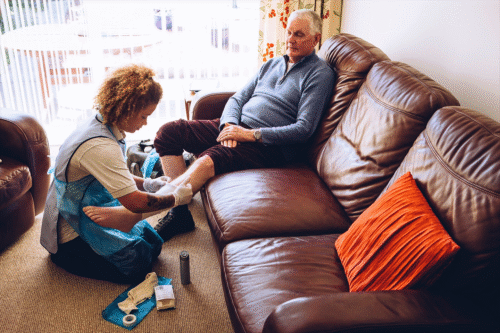 Be introduced to the topic of basic life support and first aid with this short online course. Explore topics within the course such as what basic life support is, what accidents can happen in the workplace, what sudden illnesses could be whilst also understanding which tasks need specialist training.
 -
 In a cardiac emergency, your role as a qualified healthcare professional is pivotal in influencing patient survival. This module equips you with advanced skills for responding effectively during a cardiac arrest in adults, including the use of the NEWS system, recognition of cardiac arrest signs, adult resuscitation techniques, AED utilisation, and addressing choking incidents.
 -
 Our Safeguarding Adults Level 3 course helps you achieve a deeper level of understanding of safeguarding adults, where you'll refine your ability to identify signs of various forms of abuse and neglect. Enhance your documentation skills and grasp key statutory and non-statutory guidance to prepare yourself for more complex safeguarding scenarios.
 -
 In a cardiac emergency, every second counts, and knowing how to respond could mean the difference between life and death. This module is designed for non-clinical staff and imparts the essential skills needed to confidently intervene during a cardiac arrest. Throughout this module, you'll uncover the critical signs of cardio respiratory arrest and learn the fundamental steps of early and effective resuscitation. Covering everything from when to call for help to administering cardiopulmonary resuscitation (CPR) and using automated external defibrillators (AEDs), this course will provide you with all the knowledge and skills necessary to act swiftly and decisively in a crisis. Get ready to make a real difference – because being prepared can save lives.
 -
 Fire Safety training is a legal requirement and this course covers the hazards and risks as well as demonstrating the legal responsibilities towards fire prevention in the workplace. Covering hazards and risks, this module will demonstrate the legal responsibilities towards fire prevention in the workplace.
 -
 Abuse can manifest in various forms and have devastating, long-lasting effects on the health and wellbeing of the individual. Begin your journey in safeguarding and protecting adults from abuse with Level 1, where you'll learn to recognise potential indicators of abuse, harm, and neglect. Gain confidence in taking appropriate actions if abuse is suspected whilst understanding the legislative framework supporting safeguarding practices.
 -
 Child abuse, in its many forms, has a significant impact on a child’s wellbeing and development. This module looks at children’s rights in the context of safeguarding, key legislation, how to recognise the different types of child maltreatment and signs of abuse, and what to do if you need to raise a concern. By the end, you'll feel confident in identifying safeguarding concerns and taking appropriate action to protect children and young people.
 -
 What is Dysphagia? Dysphagia is the term used to describe when a person has difficulties swallowing when drinking and eating. This short course has been created to help learners gain more awareness of this condition as well as gaining knowledge around how to help those suffering.
 -
 Our lone working training addresses the unique challenges to your personal safety when working independently, helping you take practical steps to minimise risks and work with greater confidence. Thousands of people work in isolation daily without colleagues nearby for protection, advice or assistance. This lone working course recognises whether you're serving customers, interacting with the public, or working entirely alone, the absence of support creates distinct vulnerabilities.
 -
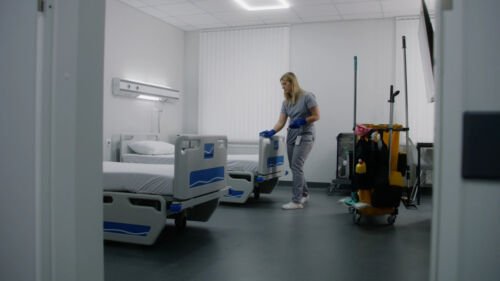 Infection poses a threat to everyone and can lead to severe illnesses, worsening of underlying conditions, or even fatalities. As part of your role, you need to understand the routes by which an infection can get into the body and how poor health or hygiene might pose a risk to yourself and others. This module looks at the importance of preventing and controlling the spread of infection, and best practice in the healthcare setting.