-
 Our Safeguarding Children Level 3 Refresher training course is designed for anyone who has completed their training in the past, whether that is through face-to-face or digital courses, and is looking to refresh their knowledge. This Level 3 course is our most in-depth Safeguarding Children course, and has been designed for managers or supervisors who have regular contact with children and their families as part of their role. It explores safeguarding as a topic including legislation, policies, signs and symptoms of abuse, as well as detailed information regarding reporting suspected abuse, whether it has been reported to them by a child, an adult or a member of staff. We also offer Safeguarding Children Training at Level 1 and Level 2.
 -
 This Level 1 course is aimed at anyone who works with children or vulnerable adults, but doesn’t have many safeguarding responsibilities. It will provide you with insights into safeguarding – both children and adults – and will cover topics such as signs and symptoms of abuse, types of abuse, and what your responsibilities are when you suspect abuse, or when responding to a disclosure of abuse. We also offer Safeguarding Everyone Training at Level 2 and Level 3.
 -
 If you work with children, young people or adults, you have a number of key responsibilities to ensure that any suspected abuse or neglect is reported to the appropriate level. This course will give you the knowledge and skills to ensure you can help safeguard not only those you are directly responsible for, but everyone you have contact with whilst carrying out your duties. We also offer Safeguarding Everyone Training at Level 1 and Level 3.
 -
 For those who work with children or the vulnerable, there are always going to be safeguarding responsibilities, though these will vary depending on your role. Our Level 2 course is aimed at those with extra safeguarding responsibilities, but aren’t necessarily at a managerial or supervisor level. This course will explore safeguarding in light of both children and vulnerable adults and will provide insights into all the topics you need to know, including signs, symptoms and types of abuse, current legislation and guidance, and your recording and reporting responsibilities. We also offer Safeguarding Everyone Training at Level 1 and Level 3 Unsure if you require Level 1, 2 or 3 Safeguarding Everyone training?
 -
 Being a lead worker in a safeguarding environment comes with some extremely important responsibilities, and they need to be confident that their safeguarding is up to date and in-depth enough to meet these responsibilities. This Level 3 Safeguarding Everyone training gives learners the knowledge they need to understand how to respond in safeguarding situations and helps learners to apply this knowledge to their own workplace. The package is made up of two of our popular courses, Level 3 Safeguarding Children and Level 3 Safeguarding Adults. We also offer Safeguarding Everyone Training at Level 1 and Level 2.
 -
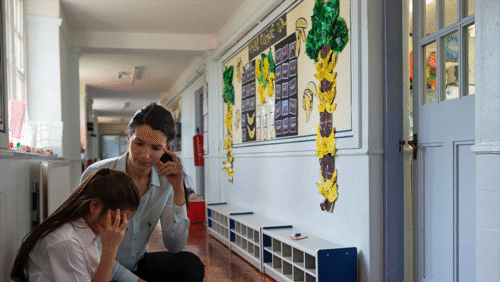 This course introduces safeguarding, its importance when working with children and the many associated skills and knowledge required. Anyone working with children needs to ensure they have an appropriate level of safeguarding training in order to satisfy their safeguarding responsibilities. This wide-ranging course is designed for all working with children. It introduces safeguarding and the relevant skills, knowledge and legislation, multi-agency working, how to recognise and deal with abuse, and many common core skills and knowledge.
 -
 Anyone working in education has a responsibility to ensure children are safeguarded from potential abuse or neglect. Staff need to be able to recognise any of the signs or symptoms of abuse and how to report them to the correct authority. This Safeguarding in Education course has been updated to be compliant with new Keeping Children Safe in Education 2022 legislation and how this applies in the workplace or when working with children and young people. It is a statutory requirement for anyone who works with children to have up-to-date knowledge of safeguarding policies, legislation and guidance so they can proactively focus on keeping them safe from harm and maintain the ability to act on any concerns about the safety and welfare of children and young people.
 -
 Ensuring you understand your roles and responsibilities in protecting children in a sporting environment is crucial for anyone who works with children. It's essential that anyone who may come into contact with children has up-to-date safeguarding knowledge and can identify the signs and symptoms of abuse or neglect. This course covers information for Safeguarding in Sport. It introduces safeguarding as a topic, covering jargon, multi-agency working and best practice, as well as how to identify the signs and symptoms of abuse and what you should do if you suspect an individual is being abused or discloses information. The content also covers national and local context, whistle-blowing and focuses on your role and what you can do to recognise and reduce the likelihood of abuse, in general and with reference to sport in particular.
 -
 Safer recruitment is designed to help those who are responsible for hiring anyone who works with children, to identify and deter or reject individuals who are deemed to be at risk of abusing children. It’s crucial that all employers have a recruitment policy in place that takes into account safer recruitment best practices and considerations. This course covers key topics including: advertising, application forms, selecting candidates for interview based on the information they have presented, and post-interview checks before making an offer of employment.
 -
 This course will help learners to get a better insight into how situations can develop and how to effectively respond. This Safer Working Practices course has been updated to be compliant with new Keeping Children Safe in Education 2022 legislation and how this applies in the workplace or when working with children and young people.
 -
 This e-learning module aims to provide learners with an increased understanding of the autistic spectrum and offer strategies to support those on it. On completion, learners will have an increased awareness of the main characteristics of behaviour which individuals on the autism spectrum can commonly display, as well as an increased understanding of the sensory differences of people on the autistic spectrum. Our Understand How to Support Individuals with Autism Spectrum Conditions training course has been updated with help from subject matter experts to include more information on autism spectrum disorder (ASD) and to cover the Oliver McGowan case.
 -
 This course covers a wide range of information and guidance for all those working with individuals, both children and adults, who are vulnerable to domestic abuse or suffering from it. The modules in this product have been created with victims in mind and will inform learners about domestic violence, and how to support those experiencing it. This wide-ranging domestic abuse training course is designed to give the maximum amount of information and guidance to those who are working with victims of domestic abuse or those who may be vulnerable to domestic abuse.