

School System in France
The school system in France is highly centralised and regulated by the Ministry of National Education. Education is compulsory for children between the ages of 3 and 16, and public education is free and secular. The system is structured into clearly defined stages that guide students from early childhood through higher education, with a strong emphasis on academic achievement, citizenship, and equal opportunity.
Overall, the French education system aims to promote intellectual development, critical thinking, and social integration. It combines rigorous academic instruction with vocational options, preparing students for higher education, employment, and active participation in society.
- Pre-primary education in France, known as école maternelle, is available for children aged 3 to 6 and is compulsory from age 3. This stage focuses on early development, including language acquisition, social skills, and basic cognitive abilities. It plays an important role in preparing children for primary school within a structured and supportive environment.
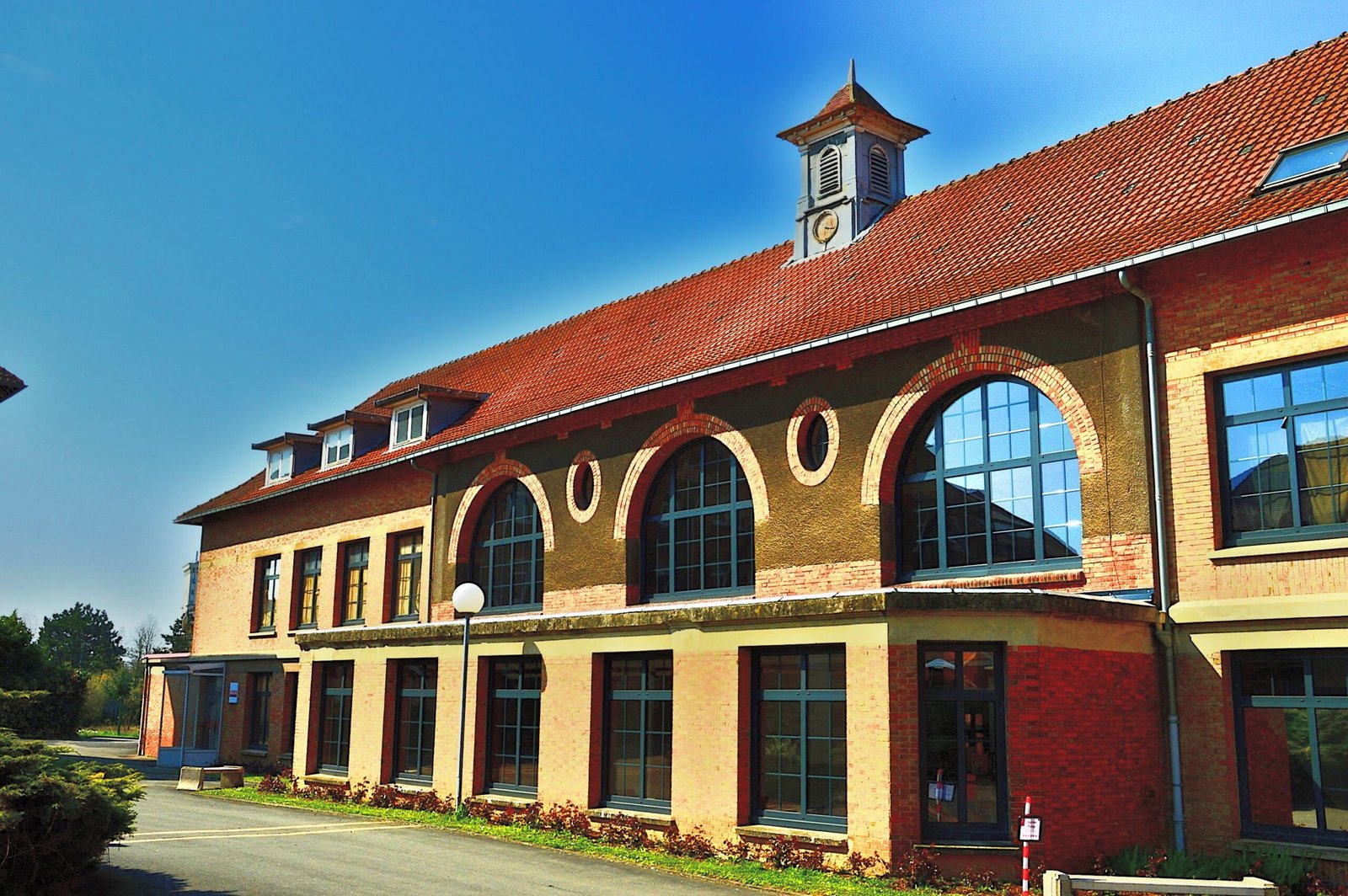
- Primary education (école élémentaire) is compulsory and lasts five years, typically for students aged 6 to 11. It covers fundamental subjects such as French language, mathematics, science, history, geography, and arts. The main objective is to build strong foundational skills in literacy and numeracy while encouraging curiosity and independent learning.
- Lower secondary education in France takes place in collège and lasts four years (ages 11 to 15). All students follow a common curriculum that includes a broad range of subjects such as languages, sciences, humanities, and physical education. At the end of collège, students take the Diplôme National du Brevet, which assesses their knowledge and skills.
- Upper secondary education in France is provided in lycée and lasts three years (ages 15 to 18). Students choose between different pathways: the general track, the technological track, or the vocational track. The general and technological tracks prepare students for higher education, while the vocational track focuses on practical training and direct entry into the workforce. At the end of lycée, students take the baccalauréat (commonly known as “le bac”), a national examination that is essential for university admission.
- Higher education in France is offered by universities, specialised schools, and prestigious institutions known as grandes écoles. Universities provide academic degrees structured into bachelor’s, master’s, and doctoral programmes in line with the European Higher Education Area. The Grandes Écoles are highly selective and offer advanced training in fields such as engineering, business, and public administration.
Assessment in the French education system is based on continuous evaluation as well as national examinations. Students are graded on a scale from 0 to 20, with 10 as the minimum passing mark. The baccalauréat is the key final assessment at the end of secondary education and plays a crucial role in determining access to higher education.
Register with Expat College for free today.
- Home
- /
- School System in France