

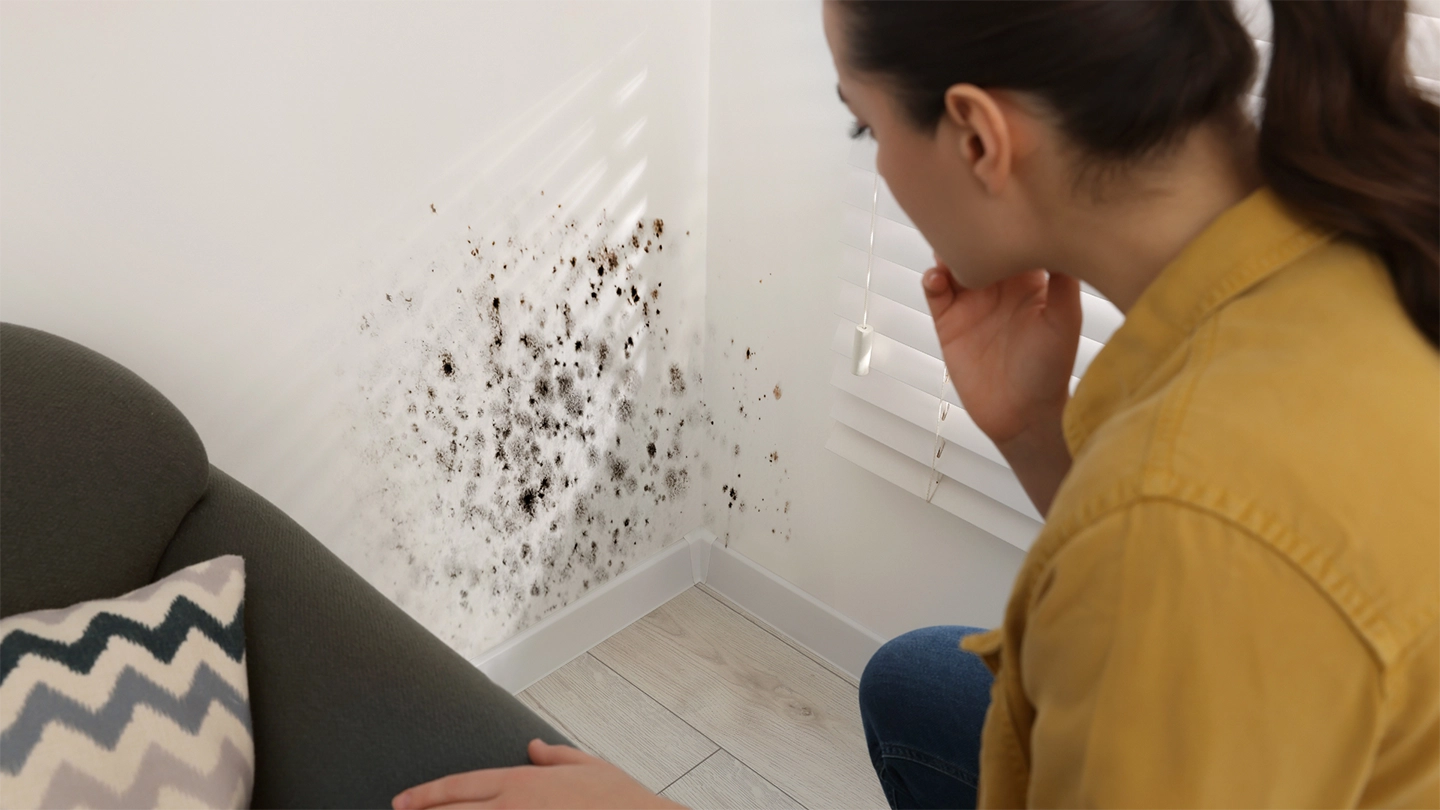
Everyone deserves to live and work in safe and healthy environments. Nobody wants to fall ill because of the conditions of the building they spend time in. Mould can be dangerous to health, especially for those that are vulnerable. Unfortunately, well over 10,000 people every year are becoming ill or developing health conditions as a result of mould exposure. Spotting mould and intervening early is essential to protect people from harm. This online damp and mould course gives you an introduction to what mould is, why it’s important and what you can do about it. Mould grows in certain environments, and once it’s started, it will keep coming back until the conditions are changed.
Damp and Mould Training Course
£25.00
Description
Introduction: The importance of keeping mould in check is included in various legislations, such as the Health and Safety at Work Act (1974), and case studies even prompted a new law – Social Housing (Regulation) Act, or Awaab’s Law – to be introduced in October 2025. This course helps you identify mould and damp in your workplace or social housing location, including the differences between some of the different types. You’ll find out practical steps to cleaning up mould and what to do to prevent it coming back. You’ll also get some tips on when to report the mould or damp, and when to call in professionals to remove it.
Our Mould and Damp Awareness course helps employers and social housing landlords to meet their legal health and safety obligations, educating them about how to protect their tenants and workforce. The principles covered in the course are useful in the work environment and for home life.
Who is this course for? This Mould and Damp Training Course has been made for anyone who may encounter mould and damp both in the workplace and at home. It is suitable for landlords, employers, tenants and employees as it will help inform how to identify mould, what to do should you encounter mould or damp, when to report it and who is responsible for dealing with it. The course explains each persons responsibility when it comes to damp and mould.
Testing and certification: At the end of the course, there is a test consisting of 12 multiple choice questions, for which a pass mark of at least 80% is required. Learners can have as many attempts at the test as is needed at no extra cost. After achieving a pass mark of 80%, learners will be able to download and print a RoSPA assured and CPD approved Virtual College certificate for their records.
Course duration: The damp and mould awareness course should take 30-45 minutes to complete, but this depends on how quickly you absorb the training material. Progress is recorded throughout by the Virtual College Learning Management System, meaning you can take as long as you need to work your way through the course.
Entry requirements: There are no specific entry requirements for this mould and damp training course.
Legislation covered in this course: This course covers the Health and Safety at Work Act (1974), Homes (Fitness for Human Habitation) Act 2018, and Social Housing (Regulation) Act – Awaab’s Law (2025) most recently. These dedicated pieces of legislation help employers, employees, social housing landlords and tenants manage, control and ultimately reduce the risk of ill health caused by damp and mouldy environments. One of the most important elements of the legislation is that it requires employers and social housing landlords to take action on mould and damp in a timely manner.